Most people picture the canada–united states border as a checkpoint: a booth, a flag, a bored officer asking where you’re headed. 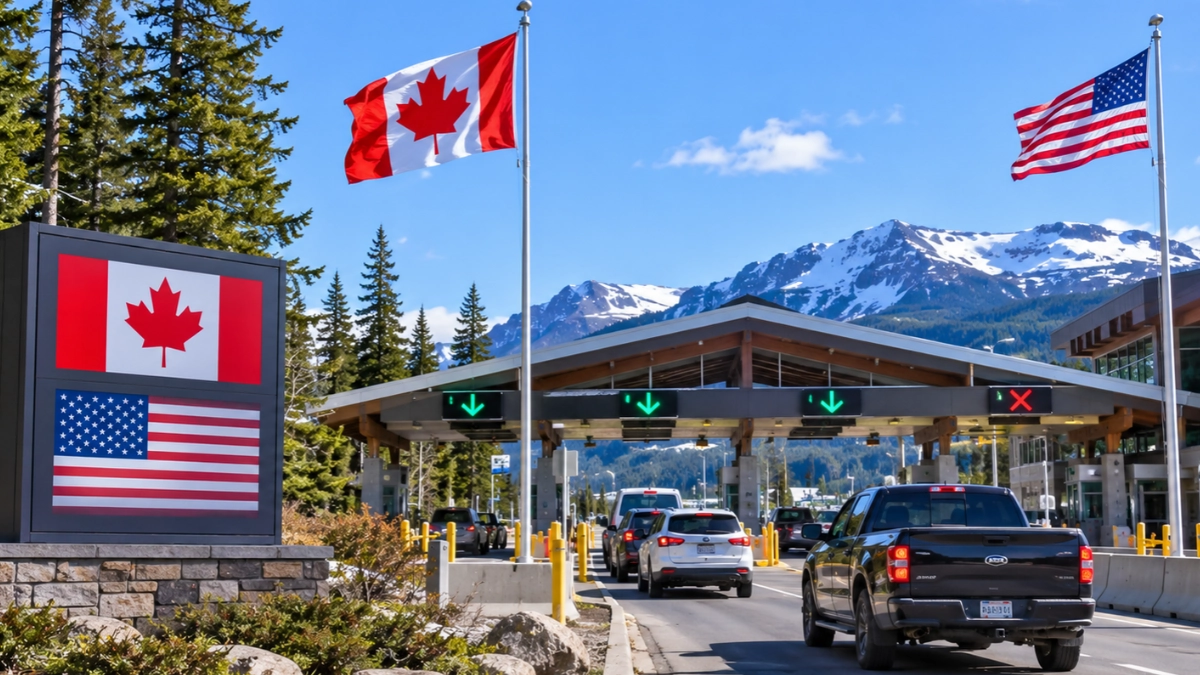 But a good stretch of it has no booth at all. Out there the border is a lake, a portage, a frozen bay in January. And for roughly 11,000 people a year, it was a C$30 permit that meant they didn’t have to stop.
That permit expires at 11:59 p.m. on November 30. Starting Tuesday, December 1, anyone entering Canada through those remote areas has to check in with the Canada Border Services Agency every single time, by phone or in person. About 90 percent of permit holders were American. So this isn’t just Ottawa paperwork. It’s your fishing trip, your cabin, your cousin’s resort.
Here’s what changes, who gets hit first, and how to avoid an expensive mistake on your next trip north.
In this article
- A Border Made of Water, Ice and a Phone Call
- Four Dates, One Slow Goodbye
- What Actually Changes on December 1
- Who Feels It First
- The Phone Call Problem
- Your Pre-Trip Checklist
- Frequently Asked Questions
- The Line Stays Put, the Rules Don’t
A Border Made of Water, Ice and a Phone Call
Drive to the top of Minnesota and the map starts to look like it was drawn by someone who ran out of patience. The Northwest Angle, the northernmost point of the lower 48, sits out on Lake of the Woods, and the only way to reach it by road runs through Canada.
Places like that are why the Remote Area Border Crossing program, or RABC, existed. For C$30, eligible U.S. and Canadian citizens and permanent residents could get a permit to cross in designated remote areas without presenting themselves to an officer at a staffed port. Qualifying family members could be covered too.
Five pockets of the border fell under the program:
- The Northwest Angle area
- Pigeon River through Lake of the Woods
- The Canadian shore of Lake Superior
- The upper lock system at Sault Ste. Marie
- Cockburn Island
Anglers, boaters and cabin owners made up much of that crowd. The permit spared them a long detour to a staffed crossing.
Four Dates, One Slow Goodbye
The end of the program didn’t happen in one clean stroke. It came in stages, and a few of them caught people off guard.
- September 2024: Canada paused permit applications and renewals without saying for how long. Some permit holders told CBC they felt blindsided.
- December 19, 2025: The Canada Border Services Agency announced the program would close on September 14, 2026.
- August 10, 2026: The agency pushed the deadline back. Existing permits stayed valid through November 30, and new applications stopped.
- December 1, 2026: Telephone reporting becomes the rule.
The agency says the decision grew out of an internal review that weighed security, operational efficiency and the changing risk picture at the border. It also describes the move as a way to line Canada up with how U.S. Customs and Border Protection treats similar remote entries.
Some U.S. lawmakers read it differently. They warned that tourism, recreation and small businesses that live off cross-border traffic could take a hit.
What Actually Changes on December 1
The short version: the permit is gone, and the reporting never stops. Canada’s new rules for entering through remote border areas starting December 1 require travelers to report to a border officer on every crossing, either in person at a port of entry or by phone from a designated reporting site.
Expect questions. Officers will ask about your visit, the vehicle or boat you’re using, and everyone traveling with you. You’ll also need to declare the goods you’re bringing in, including purchases that may be exempt from duties or taxes.
Canada says 17 telephone reporting sites are already running, at marinas, government docks, fishing resorts and boat launches. More will be announced after talks with local and Indigenous communities.
One thing to keep straight: a phone call is not a green light. An officer on the Canadian Border side can still require you to show up in person for further checks before you go on your way.
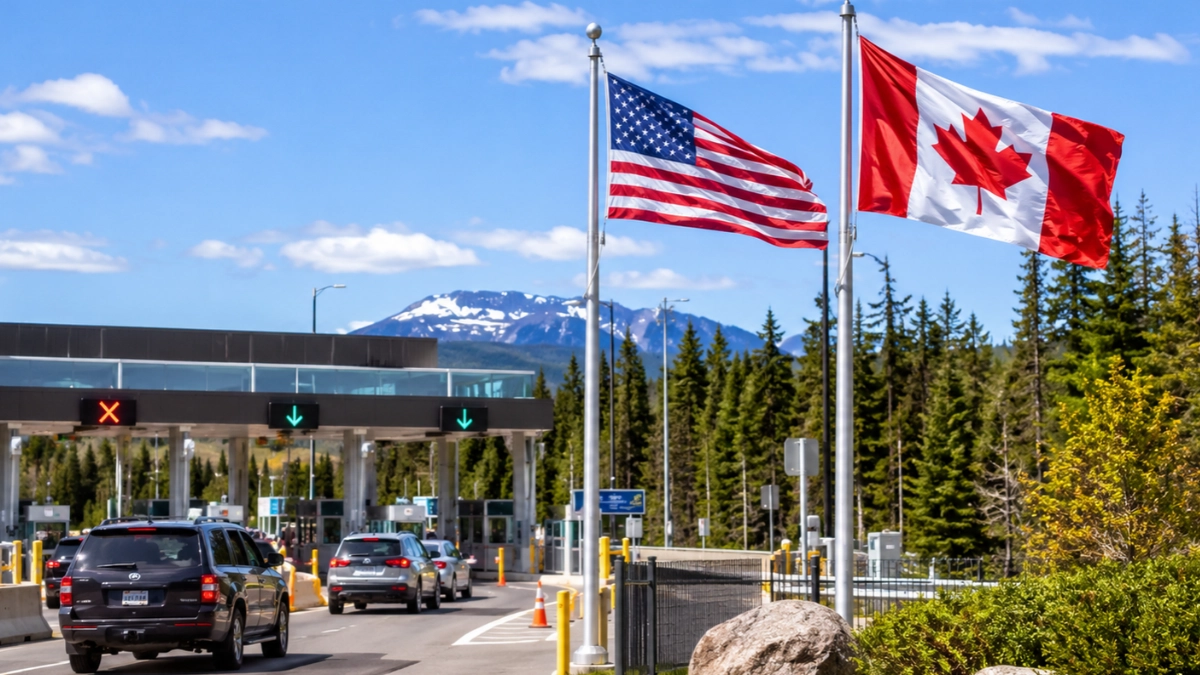
If you cross at a staffed port of entry, none of this touches you. The change only applies to the remote areas listed above.
Skip the report, though, and the consequences are real. Travelers who fail to report can face monetary penalties, seizure of goods or vehicles, and possible criminal charges under Canada’s Customs Act.
Who Feels It First
Fishing resorts, mostly. A guest who used to slip across the water for a day of walleye now has a phone call standing between the dock and the fish. Multiply that by a few thousand trips a season and you can see why small operators got nervous.
The ripple goes both ways. Local tourism guides for Lake of the Woods note that plenty of American permit holders pop into Canadian resorts for lunch, bait and supplies. Some Canadians living near the Angle use the route for shopping, medical care and, in a few cases, school.
Then there’s the detail that makes winter travelers do a double take. According to that same local guide, for ice anglers on the Angle, ice counts as land. Step onto frozen Canadian water and you’ve entered Canada, which means you report first.
The Phone Call Problem
On paper, telephone reporting is simple. In practice, it depends on a stranger on the other end of the line knowing where you are.
Local resort guides describe a familiar routine for Angle visitors. If an agent seems unfamiliar with the area, end the call politely, wait a minute and try again. Odds are decent you’ll reach someone who understands the geography.
That’s one reason the kiosks and phones at resorts and docks matter. For years, travelers without a permit have been pointed to the CBSA reporting line, 888-CAN-PASS, so confirm the current number and your nearest site on the agency’s website before you leave.
Anyone who ever bragged about a ten-minute crossing should plan for a slower first trip this season.
Your Pre-Trip Checklist
Nothing here is complicated. It just has to happen before you push off from the dock.
- Find your reporting site and check its hours before you travel.
- Keep IDs for everyone on board or in the vehicle within reach.
- Write down the details of your boat or vehicle so you aren’t guessing mid-call.
- List the goods you’re carrying, including anything you bought for the trip.
- Don’t count on an old permit after November 30. It won’t work.
Heading north this winter? Cold-weather gear adds up fast, and our Amazon Black Friday deals page is a decent place to start before you pack.
Frequently Asked Questions
Is my RABC permit still valid?
Only until 11:59 p.m. on November 30, 2026. After that it won’t get you across. The CBSA stopped accepting new applications earlier this year.
Do the new rules affect regular border crossings?
No. Travelers who use staffed ports of entry see no change. The end of the permit only matters in the remote areas listed above.
What happens if I don’t report my arrival?
Canada can issue monetary penalties and seize goods or vehicles. In serious cases it can bring criminal charges under the Customs Act.
Does reporting by phone guarantee I can enter Canada?
No. A border officer can still ask you to present yourself in person for additional checks before allowing you to continue.
Where do I make the call?
At a designated telephone reporting site. Seventeen are operating now, and more are on the way. Check the CBSA’s RABC page for the current list and hours before you go.
The Line Stays Put, the Rules Don’t
The border itself hasn’t moved an inch. The trees, the water and the ice look the same as they did last month. What disappears is the shortcut, and with it a small piece of the way northern border towns have lived for decades.
If you have a trip planned for December or the new year, spend ten minutes on the CBSA site first. A phone call at a boat launch is a small thing. Skipping it is not.
Want more stories like this? Browse the latest in USA News.