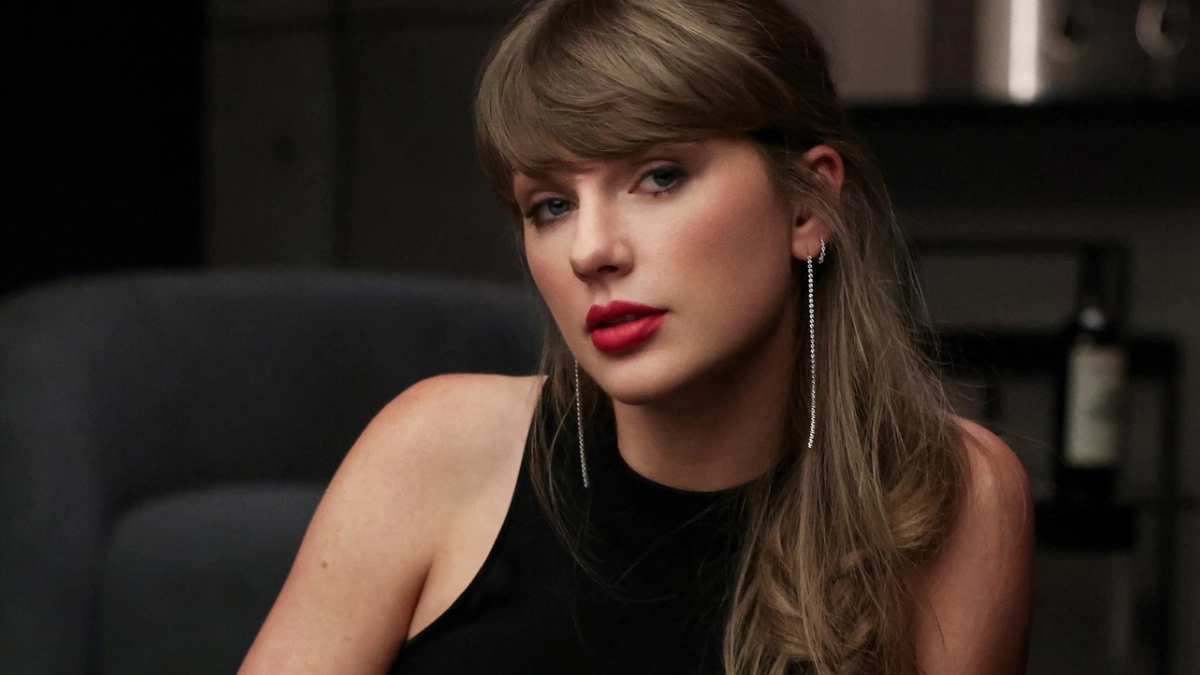
Vanity Fair spent roughly a year reporting a profile of the biggest pop star on the planet, then left her name off it. 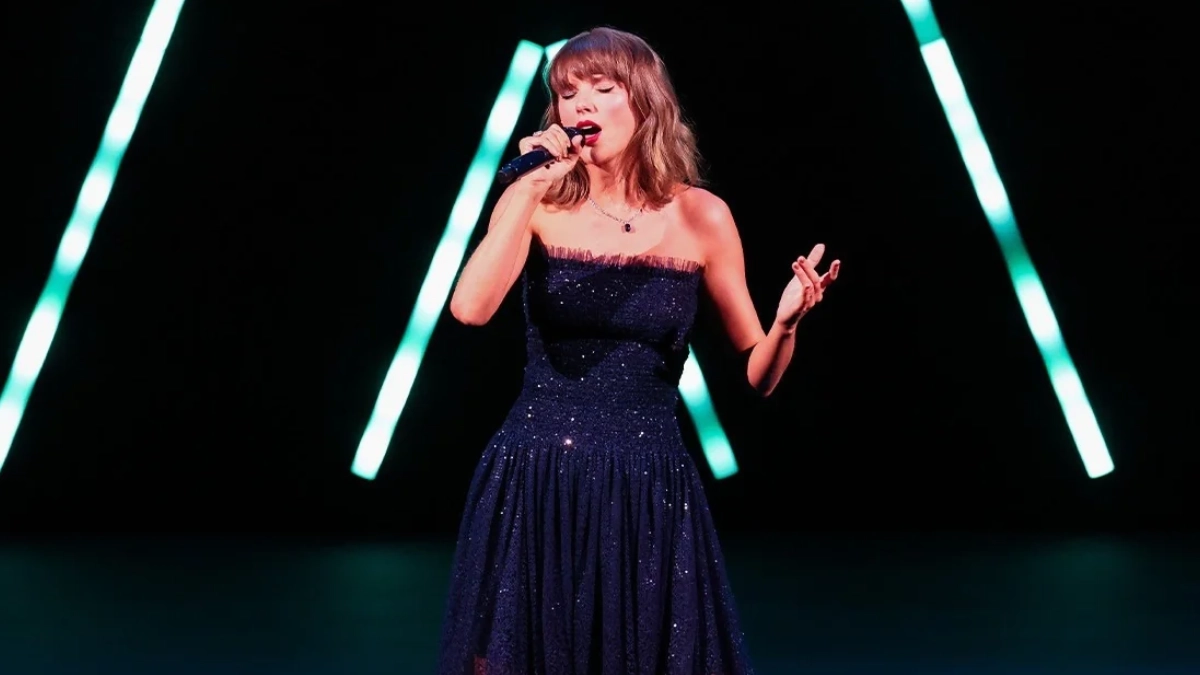 That oddity has dominated the internet since Monday, November 23, 2026. The piece is called “The Mastermind,” it refers to its subject only as “The Star,” and nobody is confused about who that is.
The loudest fight in the whole Vanity Fair Taylor Swift saga isn’t about whether every allegation is true. It’s about whether a story built like this one counts as reporting at all. Most coverage skipped that question, so that’s where we’re starting.
What’s inside
- A profile where nobody gets a name
- Built like a record, with a lot of anonymous voices
- The Regina George problem
- Who pushed back
- What’s actually on the record
- A fictional character, again
- How to read a story like this one
- Quick answers about the Vanity Fair piece
- What happens next
A Profile Where Nobody Gets a Name
The profile comes from Vanity Fair staff writer May Jeong. The magazine commissioned it in the fall of 2025, and Jeong says she talked to more than 100 sources. Swift declined to comment, though the magazine says it sent her several questions.
Then come the codenames. Swift is “The Star.” Her old record label is “The Machine.” Scooter Braun becomes “The Manager,” Charli xcx is “The Brat,” and Katy Perry is “The California Girl.” Travis Kelce, Jeong writes, must regretfully be called Redwood.
It’s a stylish trick. It’s also a risky one, because a story that won’t name its subject asks readers to take a lot on trust.
Built Like a Record, With a Lot of Anonymous Voices
Jeong structured the profile like a vinyl album. The A sides tell the version fans know: the underdog, the loyal friend, the champion of artists’ rights. The B sides flip each of those images over.
Who supplies the B side? Mostly people who asked not to be named. According to The Blast, most sources spoke anonymously, and the majority of those named are tied to Swift’s childhood. Former classmate Chanice Skinner called her a popular girl who now casts herself as an underdog. Page Six reported that another classmate, Luyben, rejected Swift’s outcast story and called her one of the bullies.
The profile doesn’t stop at school. It revisits Swift’s disputes with Braun, Olivia Rodrigo, Charli xcx, Blake Lively and Perry, and it uses each one as a brick in the same wall. Those fights are public in broad strokes. What’s new is the framing. The piece reads every episode as proof of a pattern, and a pattern is an argument, not a fact.
The wedding takes the hardest hit
The sharpest writing goes after the wedding. It took place in midtown Manhattan during a heat wave, and Jeong questions the optics of a $26 million donation to local charities made beforehand. She also borrows a remark from Matty Healy, who once said on a podcast that becoming a billionaire means you stop caring much about culture. Jeong notes he wasn’t talking about Swift. Then she lands the punch: “Beyond want, greed.”
Pop-star weddings are public events now, whether the couple likes it or not. For another A-list ceremony under the microscope, see our own report on the Miley Cyrus wedding.
The Regina George Problem
The line that traveled fastest came from a source the profile calls “The Exec,” an unnamed music industry executive. Page Six was among the first to put the Regina George comparison in a headline, quoting the executive: “It’s truly Regina George.” The same source called Swift punitive and claimed artists in her orbit get nudged away from working with people she sees as rivals.
Here’s what the headlines left out. The label isn’t new. In September 2014, Katy Perry tweeted a warning about a “Regina George in sheep’s clothing,” and the Vanity Fair profile circles back to it. So the supposed bombshell is a twelve-year-old nickname with fresh anonymous quotes attached.
Fresh, of course, doesn’t mean verified.
Who Pushed Back
Variety’s Chris Willman wasn’t impressed. In his column, Variety critic Chris Willman asks whether the Vanity Fair hit piece on Taylor Swift is really journalism, he calls the profile “snark masquerading as reportage.” Monday was supposed to be a bad day for Swift, he argued, and it turned into a bad day for the profession instead. He gave Jeong credit for a few good zingers and admitted the Redwood line made him laugh. The codenames, though, got on his nerves.
Social media split along predictable lines. The Washington Times reported a fast backlash, with one user calling the piece juvenile. The gossip site Lainey Gossip asked a sharper question: why now, and why a blind-item style profile of a star this powerful? Some readers are already wondering whether Swift will turn up at the Vanity Fair Oscar party this season.
Swift herself hasn’t said a public word. A source close to her told Page Six she won’t lose sleep over it, adding that she never claimed to be perfect and doesn’t think old grievances define her. A second source said Kelce has her back.
What’s Actually on the Record
Strip away the codenames and the clapbacks, and the picture gets simpler.
- Confirmed: Vanity Fair published the piece on November 23, and May Jeong wrote it.
- Confirmed: Swift declined to comment, and as of Tuesday neither she, Jeong nor the magazine had publicly addressed the reaction.
- Claimed, not verified: the allegations of retaliation, manipulation and social exclusion, mostly from unnamed sources. Outlets covering the story note that these were not independently established.
- Worth noting: Complex points out that the profile doesn’t accuse Swift of orchestrating online harassment aimed at one woman, and that Swift hasn’t been shown to have directed it.
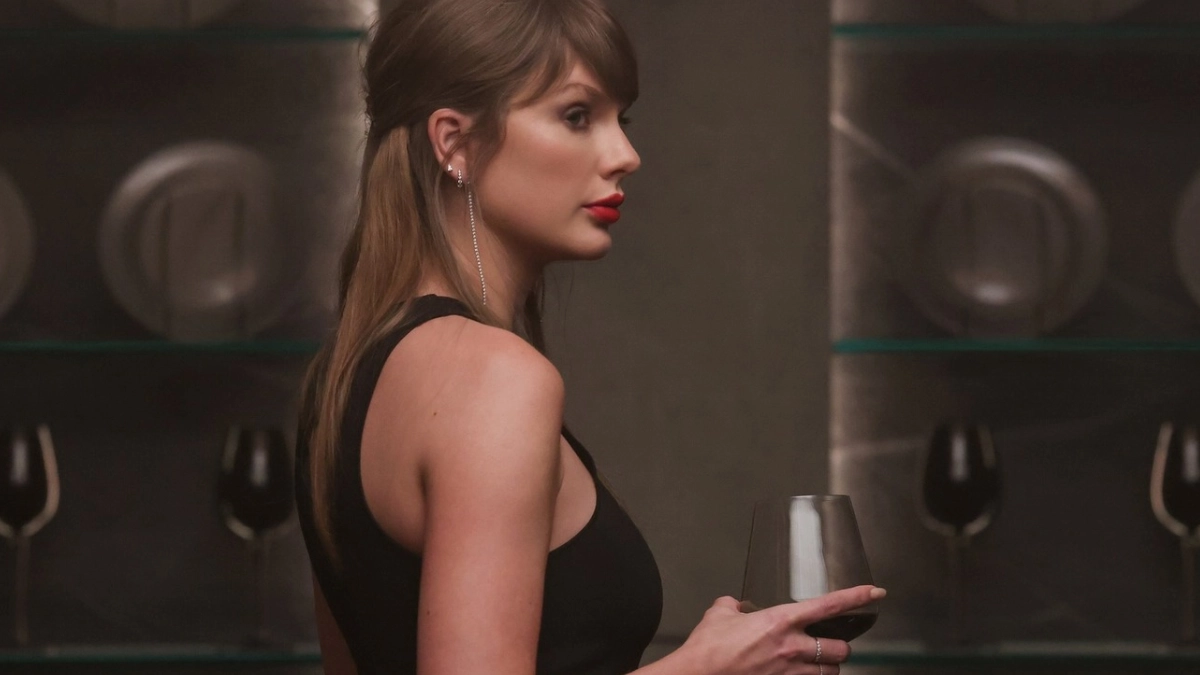
Anonymous sourcing isn’t a red flag on its own. Reporters lean on it constantly, especially when people fear retaliation, and Jeong’s sources reportedly did. But readers can’t weigh motives behind a pseudonym, and a grudge sounds exactly like a fact when it has no name attached. That’s the trade the piece makes. Each reader decides whether it was worth it.
A Fictional Character, Again
There’s an irony here that longtime Swift watchers will spot. In an earlier Vanity Fair cover story, she complained that tabloids “turn you into a fictional character.” Now the same magazine has handed her a codename and a role in a morality play.
Fair or not, that’s the story under the story. Celebrity profiles have always flirted with fiction. This one just admits it by giving everyone stage names. Even the closing wink, that “The Star’s version was used in the making of this article,” says as much.
How to Read a Story Like This One
You don’t need a journalism degree to size up a profile that arrives wrapped in this much noise. Four questions do most of the work.
First, what can you check? A dated event, a named person, a document: those can be tested. A mood, a “vibe” or a secondhand impression can’t. Second, who is speaking, and what would they gain? A classmate from twenty years ago and a rival executive carry very different baggage, even when both ask for anonymity.
Third, where is the subject’s side? Here it’s mostly absent, because Swift declined to take part, and that cuts both ways. She had the chance to answer and passed. The piece also had to fill the gap without her. Fourth, what would change your mind? If the answer is “nothing,” you’re probably reading for a team, not for the truth.
None of this tells you whether Jeong got it right. It tells you how much weight each paragraph can hold, and that’s the useful part.
Quick Answers About the Vanity Fair Piece
What is the Vanity Fair article about Taylor Swift called?
It’s titled “The Mastermind” and was written by May Jeong. Vanity Fair published it on November 23, 2026.
Does the Taylor Swift Vanity Fair article name her?
No. It calls her “The Star” throughout, though details like friendship bracelets, the Eras Tour and her NFL husband make the subject obvious.
Who compared her to Regina George?
An unnamed music industry executive the piece labels “The Exec.” Page Six helped spread the quote.
Has Swift responded?
Not publicly. She declined to comment for the story. A source close to her told Page Six that she isn’t losing sleep over it.
Are the allegations proven?
No. Most come from anonymous sources and haven’t been independently verified. Variety’s Chris Willman questioned whether the piece meets the standard of journalism at all.
What Happens Next
Nobody has changed anyone’s mind this week. Swift’s fans see a hit job, and her critics see overdue scrutiny. The profile will be judged by what holds up if names and documents ever replace the codenames.
For now, the facts are small and the noise is huge. If Swift, Jeong or the magazine speaks, we’ll be here. Keep up with more stories in Celebrities News.